Animal Advocacy in WA
A Community Action Pack | Practical steps to enhance your animal advocacy
Across our state, people are deeply concerned about animal welfare. The issues are broad and varied, encompassing animal cruelty, threats to wildlife, and insufficient support for initiatives that safeguard animal welfare. People often feel ignored, frustrated, and unsure how to create change when obvious support systems are not in place or government agencies fail to act.
Real change happens when compassionate people work together, strong community advocacy can build the public pressure needed to drive action. This advocacy pack provides practical tools and guidance to help you raise your voice, engage decision-makers, and become an effective advocate for animals in your community.
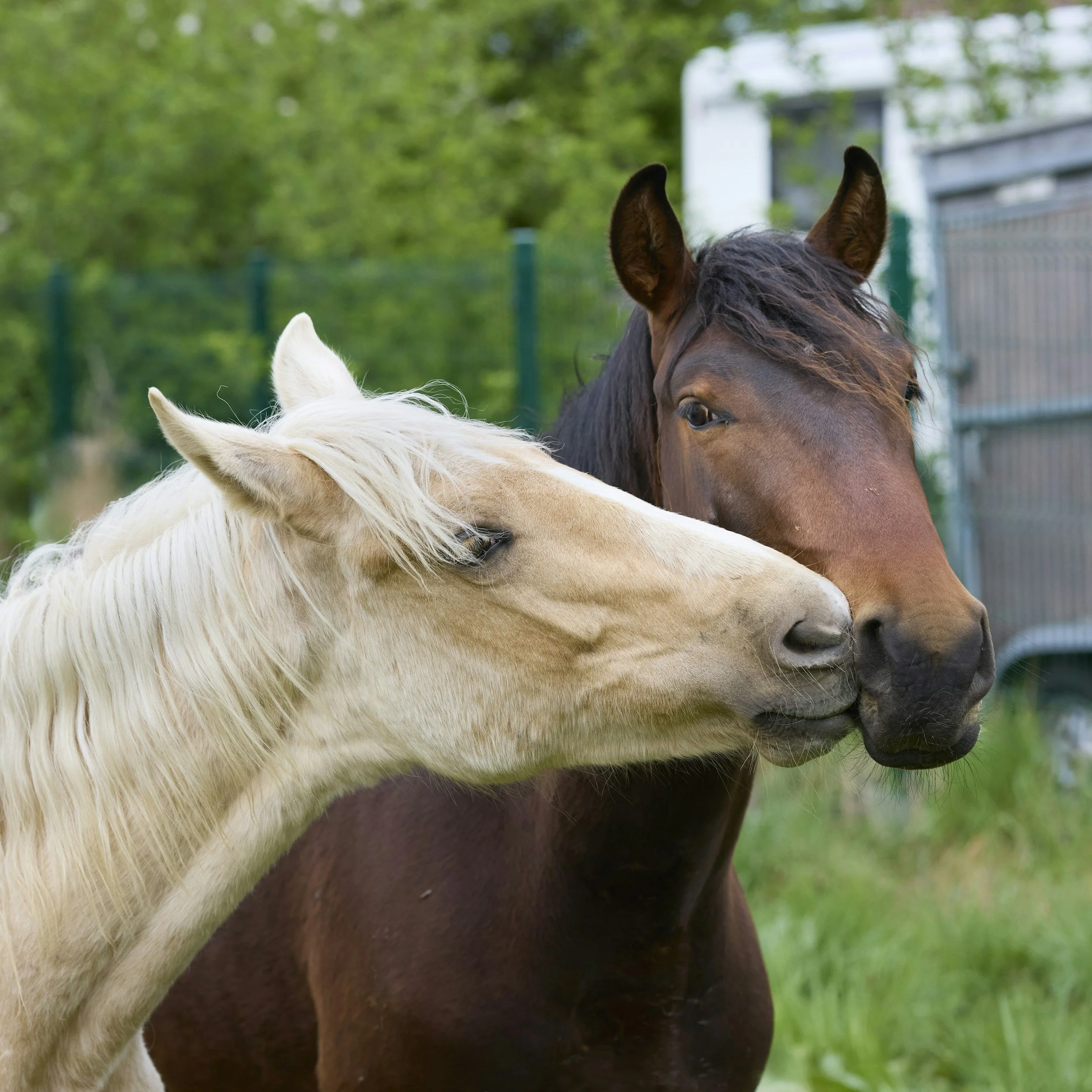
Why Animal Advocacy Matters
Animals cannot vote, write submissions, contact Ministers or speak up when decisions affect their lives. That is why community advocacy is so important. By raising concerns, sharing information and engaging with decision-makers, everyday people can help ensure animal welfare is considered in government policy and community decision-making.
Animal advocacy helps:
Give animals a voice in decisions that affect their lives and wellbeing.
Drive positive change by encouraging governments and institutions to adopt more compassionate, evidence-based policies.
Hold decision-makers accountable when animal welfare concerns are overlooked or ignored.
Protect vulnerable animals, whether they are companion animals, wildlife, farmed animals or animals in entertainment and research settings.
Build stronger communities by bringing together people who share a commitment to kindness, respect and justice for animals.
Create lasting change by transforming individual concern into collective action.
Step 1: Identify What’s Happening
If you are concerned about an issue, start by clarifying key details such as:
Where is the issue occurring?
(street, suburb, coordinates or map screenshot)When did the issue occur?
(date, time, is it ongoing or reoccurring)
What is going on?
(Animal cruelty, wildlife at risk, lack of funding for community animal welfare program, etc.)
Is someone responsible?
(Business, Individual, Local council, State Government agency)
You don’t need all the answers — even partial information is valuable.
If animals are in immediate distress or danger, please contact:
To report injured or trapped native wildlife:
DBCA Wildlife Officers 1300 550 236
Wildcare Helpline 9474 9055 (after hours)
To report suspected cruelty:
RSPCA WA 1300 278 3589
Step 2: Document The Problem
Evidence matters but never put yourself or animals at risk to gather it. If safe and legal to do so you can take the following steps.
Animal Cruelty, suffering or neglect cases:
CALL THE RSPCA IF ANIMALS ARE IN IMMEDIATE DANGER: 1300 278 3589
Take clear photographs or videos of the situation.
Keep a written record of what you observed, including dates, times, locations and the condition of the animals.
Collect copies of any reports made to relevant authorities and any responses received.
Resourcing and legislative issues:
Gather information about services that have been reduced, lost funding or are struggling to meet demand.
Document unmet community needs.
Collect testimonials from volunteers, carers, rescue groups and community members affected
Identify any commitments, policies or legislation that may not be being adequately implemented.

Step 3: Engage Decision-Makers
You have a right to ask questions and who you contact will depend on the particular issue you face. Contact:
Your local council
Councils are responsible for many local animal-related matters, including:Companion animal management.
Local laws affecting animals.
Cat and dog facilities.
You can find more information here: My council | LGIRS
Councillors can raise motions, influence budgets and advocate for local change.
Your local MP
Ask them to represent community concerns and raise the issue with Ministers and government departments.
You can find your local MP here: Member List
Local MPs are often most effective when community members can demonstrate widespread concern about an issue.
State Ministers
Depending on the issue, relevant Ministers may include those responsible for:Agriculture and Food, Fisheries (Hon Jackie Jarvis MLC),
Racing and Gaming (Hon Don Punch MLA),
Environment (Hon Matthew Swinbourn MLC),
Planning (Hon John Carey MLA),
Local Government (Hon Hannah Beazley MLA)
Keep correspondence polite, factual, and focused on impacts
Strong advocacy is:
Calm
Evidence-based
community-focused
When writing, emphasise:
Community expectations regarding animal welfare.
Environmental consequences.
Reputational implications for those involved.
Be precise about what you want to achieve (legislative change, a review of policies, improved enforcement, funding for welfare programs, a meeting to discuss)
Avoid personal attacks, focus on outcomes. A template letter can be found here.
Step 4: Write Effectively
Step 5: Join Collective Action
Community voices are strongest together. You can:
Attend council meetings
Support or form a local action group
Speak with neighbours
Share information responsibly
Engage local media where appropriate
Collective action increases visibility and accountability.
How Amanda Dorn’s Office Can Support
Amanda is working to strengthen animal protection across WA. Our office can:
Raise concerns with relevant Ministers
Contact local MPs and councils
Facilitate petitions
Use case studies to support legislative reform
Advocate for stronger animal protection laws in Parliament.
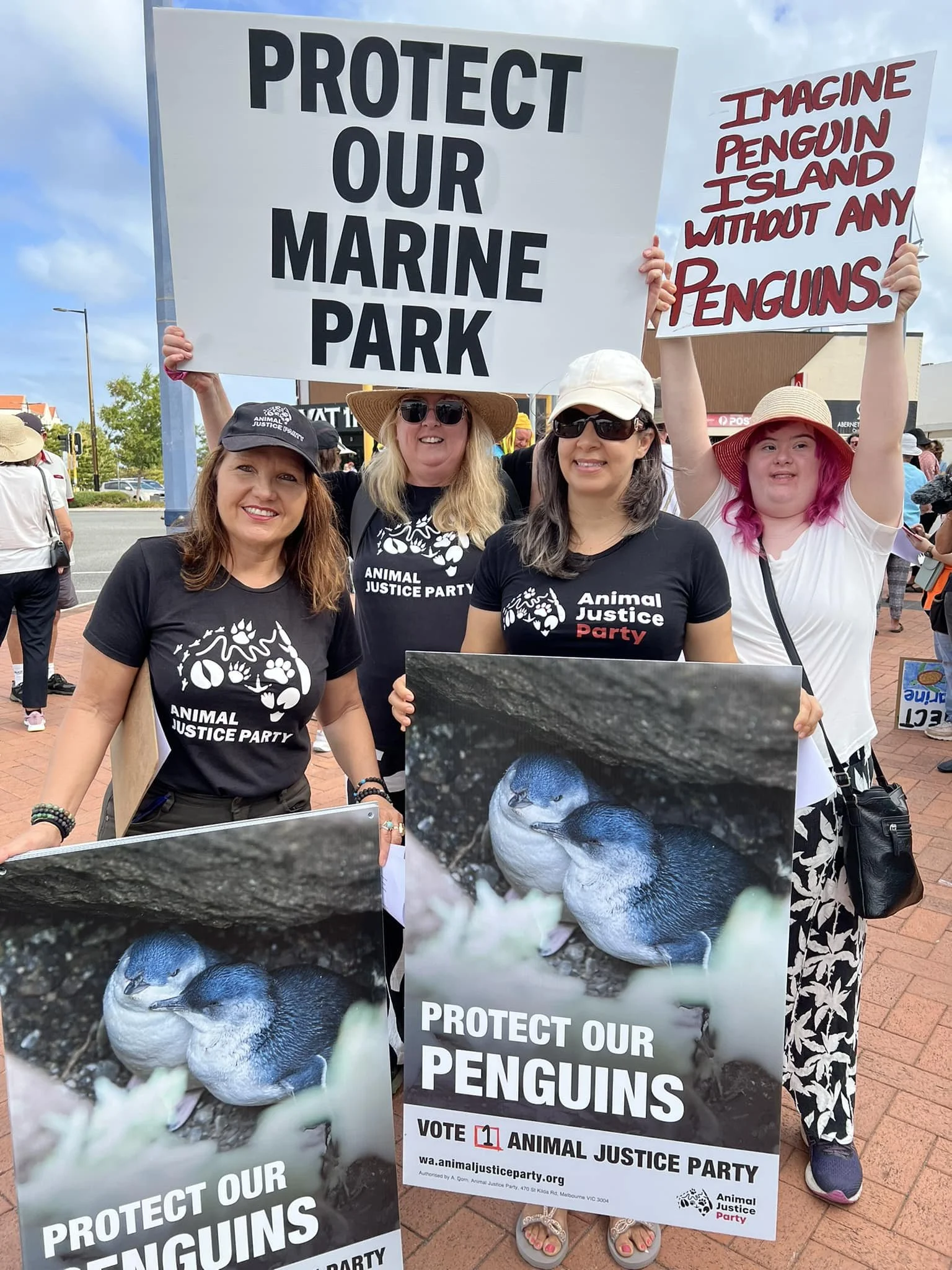
Looking After Yourself
It’s important to look after yourself while advocating for animals, you can’t help them if you’re burnt out.
We The Free has a "mental health first aid kit", a compilation of resources tailored for activists, including online courses, support lines, meditation and mindfulness practices, and more. You can access it here.