Protecting Habitats for WA Wildlife
A Community Action Pack | Practical steps to protect wildlife and local green spaces
Western Australia’s wildlife is losing habitat at an alarming rate. Clearing for development, infrastructure, and commercial projects continues to destroy bushland, wetlands, reserves, and wildlife corridors — often with little consideration for the animals or the community who live there.
This pack is designed to help communities take informed, effective action to protect habitats and ensure wildlife are not treated as an afterthought.
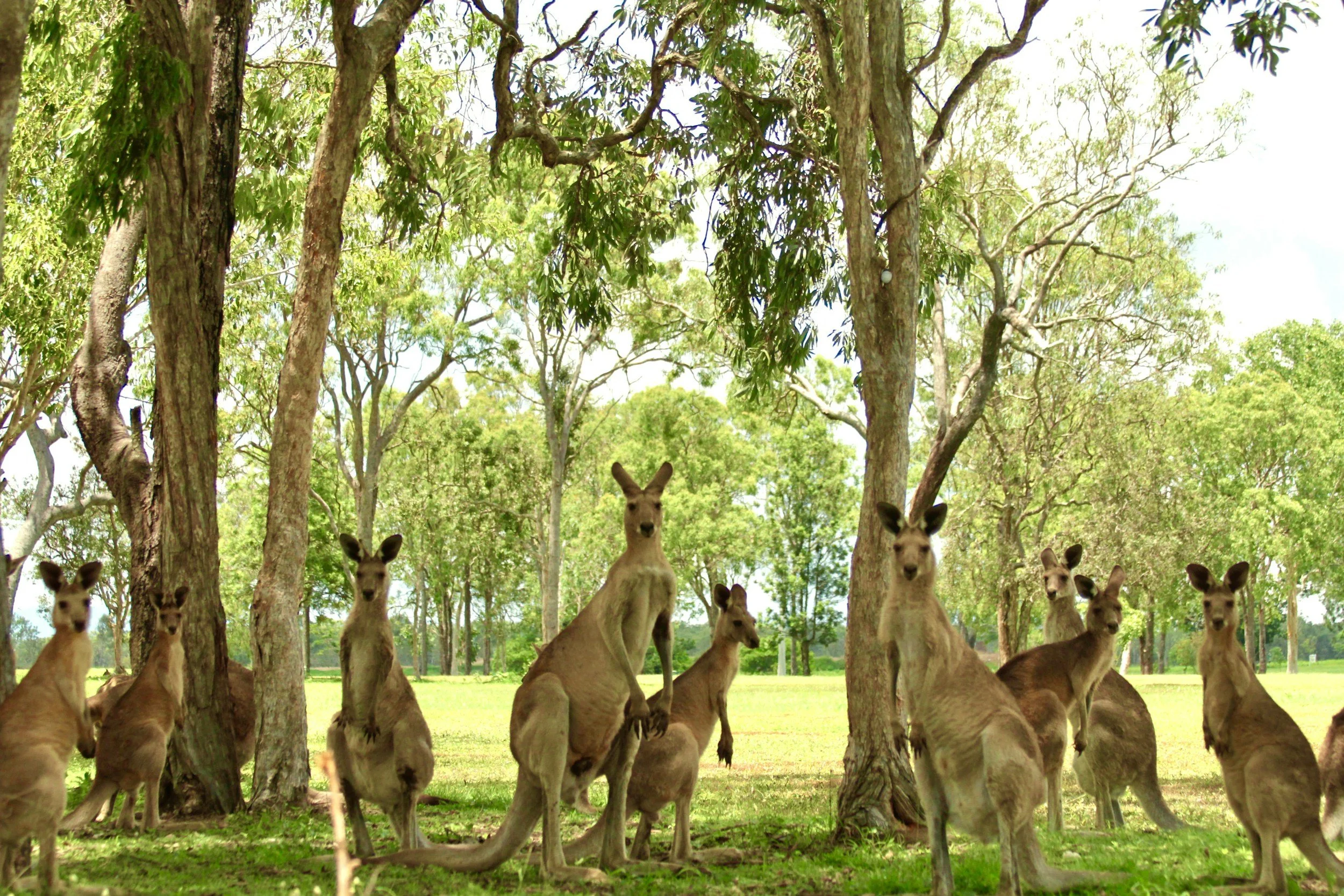
Why Habitat Protection Matters
Protecting habitat is one of the most effective ways to protect wildlife. When habitat is destroyed, wildlife doesn’t simply move elsewhere. Animals are:
Displaced from their homes
Injured or killed during clearing
Cut off from food, water, and shelter
Pushed into roads, backyards, or unsuitable areas

Step 1: Identify What’s Happening
If you are concerned about a local site, start by clarifying:
Where is it?
(Reserve name, street, suburb, or map screenshot)
What is being proposed?
(Clearing, rezoning, development, excision, roadworks)
Who is responsible?
(Local council, State Government agency, private developer)
What is the land status?
(A-Class Reserve, bushland, wetland, public open space)
You don’t need all the answers — even partial information is valuable.
Step 2: Document Wildlife and Environmental Impacts
Evidence matters but never put yourself or wildlife at risk to gather it. If safe and legal to do so:
Note:
Species observed (or likely)
Presence of nesting trees, hollows, water sources
Proximity to waterways or estuaries
Record dates and times
Take photos or videos of:
Wildlife present
Trees, bushland, wetlands
Clearing activity or machinery
If animals are in immediate distress or danger, please contact:
To report injured or trapped native wildlife:
DBCA Wildlife Officers 1300 550 236
Wildcare Helpline 9474 9055 (after hours)
To report suspected cruelty:
RSPCA WA 1300 278 3589
To make a formal complaint about a development's failure to comply with fauna management conditions:

Step 3: Engage Decision-Makers
You have a right to ask questions. Contact:
Your local council
Ask about approvals, community consultation, and environmental assessments
You can find more information here: My council | LGIRS
Your local MP
Ask them to represent community concerns and raise the issue
You can find your local MP here: Member List
State Ministers
Particularly Environment (Hon Matthew Swinbourn MLC), Planning (Hon John Carey MLA), or Local Government (Hon Hannah Beazley MLA)
Keep correspondence polite, factual, and focused on impacts
Strong advocacy is:
Calm
Evidence-based
community-focused
When writing, emphasise:
Loss of wildlife habitat
Community and environmental value
Cumulative impacts of development
Inconsistency with long-term planning and climate resilience
Avoid personal attacks, focus on outcomes. A template letter can be found here.
Step 4: Write Effectively
Step 5: Join Collective Action
Community voices are strongest together. You can:
Attend council meetings
Support or form a local action group
Speak with neighbours
Share information responsibly
Engage local media where appropriate
Collective action increases visibility and accountability.
How Amanda Dorn’s Office Can Support
Amanda is working to strengthen habitat protections across WA. Our office can:
Record and track habitat loss cases
Raise concerns with relevant Ministers
Contact local MPs and councils
Use case studies to support legislative reform
Advocate for stronger wildlife protection laws in Parliament.
Help us record and track habitat loss cases. Enter details about the site you are concerned about below to add it to the register.
Habitat Harm Register
Looking After Yourself
It’s important to look after yourself while advocating for animals, you can’t help them if you’re burnt out.
We The Free has a "mental health first aid kit", a compilation of resources tailored for activists, including online courses, support lines, meditation and mindfulness practices, and more. You can access it here.